Description
When Nature becomes the sculptor and Time becomes the artist…
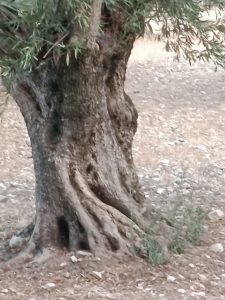
There are ancient olive trees whose trunks seem to have been created not merely by nature, but by the hand of an invisible artist.
Their extraordinary shapes, deep scars, curves, hollows and mysterious forms resemble sculptures — sometimes appearing like faces, bodies, creatures or figures emerging from the living wood.
Yet no human hand created them.
The Lord of the Rings
Milking the caw
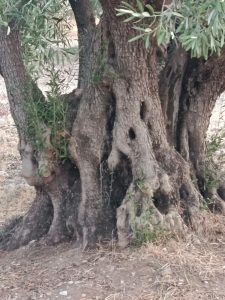
Singing training
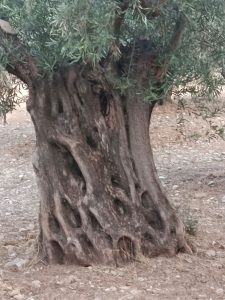
Their sculptor was Time.
For hundreds and thousands of years, these living beings have patiently shaped themselves, slowly and silently, through the passage of countless generations.
With extraordinary endurance, resilience and an almost unimaginable patience, they have transformed their ancient trunks into works of art that no human sculptor could ever reproduce.
And while doing so, they have stood silently above the passage of human civilization.
Dragon against Eagle
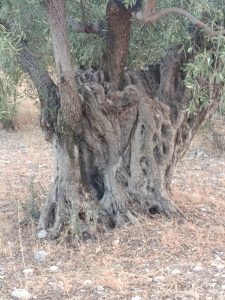
Elephant’s reincarnation in an olive tree
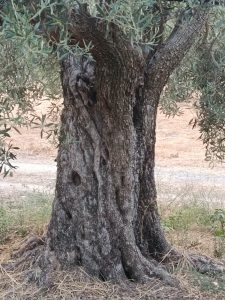
Gold metal Boxer
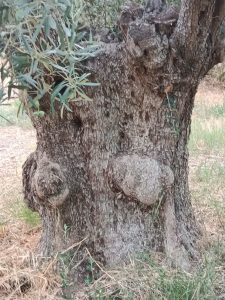
How many secrets do they carry within them?
How many generations have they witnessed?
How many births and deaths, celebrations and sorrows?
How many civilizations have risen and disappeared before their ancient eyes?
How many wars, disasters, fires, triumphs and destructions?
How many times has humanity fallen — and risen again?
Odysseus meets the Cyclops
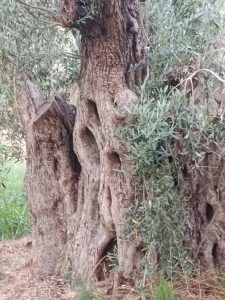
Screaming for freedom
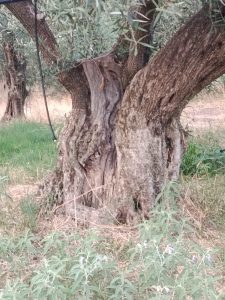
Romeo & Juliet
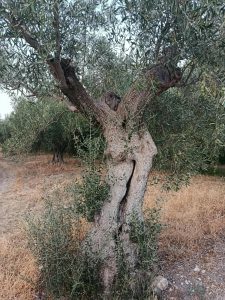
They remember.
They are silent witnesses to thousands of years of human existence.
Perhaps their deepest secrets cannot be revealed to everyone.
Perhaps they whisper them only to those who approach them with love, humility, respect and gratitude.
Because these ancient trees have given humanity far more than their beauty.
For thousands of years, they have continued to offer us one of nature’s greatest gifts:
the olive.
Ancient Pilates
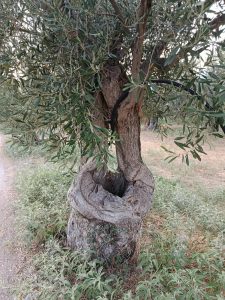
Dancing chorus in Epidaurus ancient theater
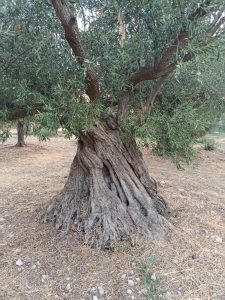
I need a divorce
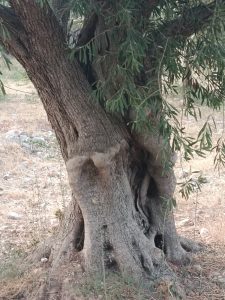
And from the olive comes olive oil — a precious gift that has accompanied Mediterranean civilization since antiquity.
Yet so often we walk beside these ancient beings without truly seeing them.
We pass them without wondering how long they have stood there.
Without thinking of everything they have survived.
And sometimes, tragically, we destroy them.
We burn them.
We remove them to make room for roads, buildings and endless constructions — sacrificing living monuments that existed long before us for the temporary ambitions of our own generation.
Perhaps we have forgotten something fundamental:
These trees were here before us.
And some of them may still be here long after we are gone.
Atlas carries the heavens upon his shoulders
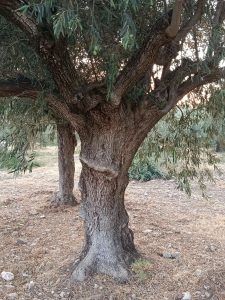
Birth of Adam from the element of wood
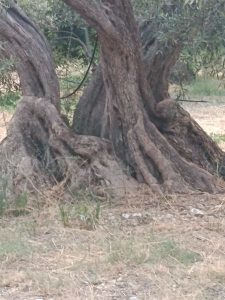
Dancing Queen
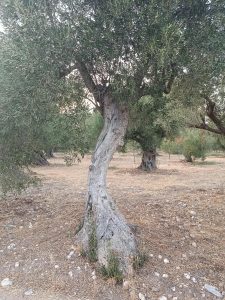
So let us pause before them.
Let us look closely at their ancient trunks.
At their scars.
At their wounds.
At the extraordinary forms carved into their wood by centuries of wind, sun, rain, drought, fire, renewal and life.
And perhaps, if we look with different eyes, we will see that we are not simply standing before an olive tree.
We are standing before a living sculpture thousands of years in the making.
A masterpiece created without human hands.
A work of art shaped by patience, endurance and silence.
Created by Life itself.
Fangorn, the leader of the Ents
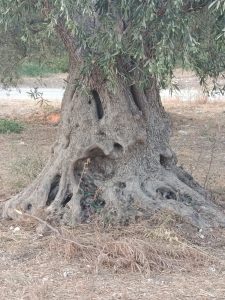
Happy family
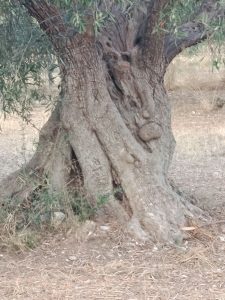
latin dance
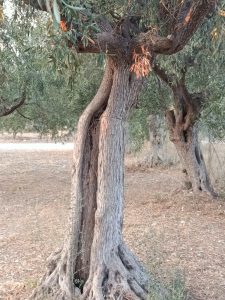
THE ANCIENT OLIVE TREES
Living Sculptures.
Silent Witnesses.
Guardians of Time.
THE BRIDGE OF TIME
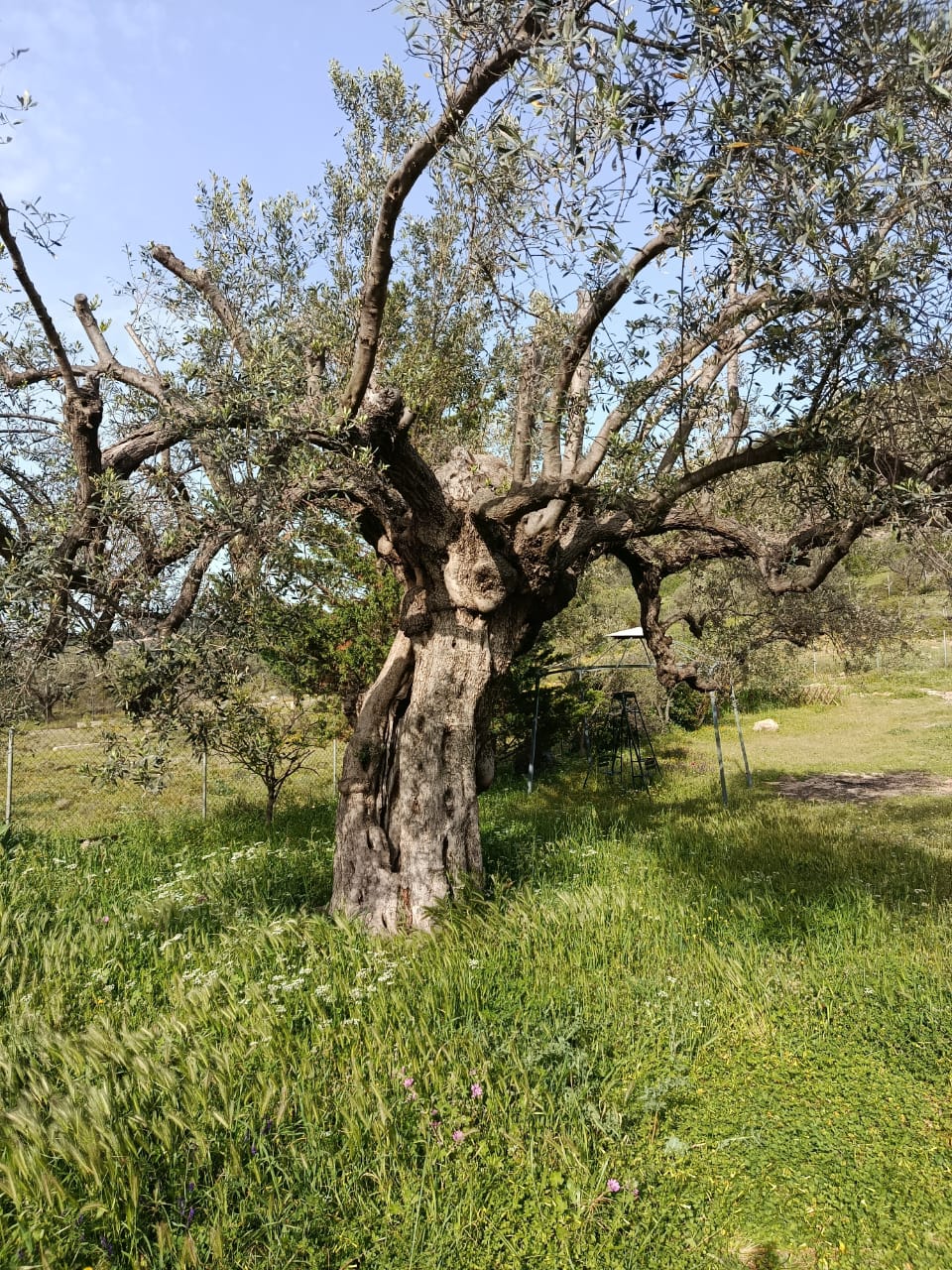
How many Spartans and Arcadians may have rested beneath the shade of this ancient olive tree, perhaps tasting its olives before continuing their journey toward Thermopylae to face Xerxes?
The Arcadian spirit
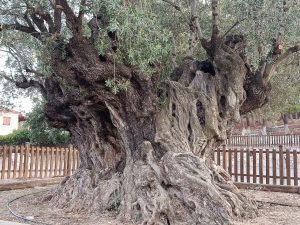
We will never know.
But this 2,500-year-old tree may remember.
Still thriving, still majestic, its branches continue to offer us the same shade, its ancient trunk carrying the same living heart and soul at Kynouria – Arkadia.
It is a living bridge between our ancestors and ourselves.
A silent witness connecting us to those who walked this land thousands of years ago.
The past lives within its roots.
The present rests beneath its branches.
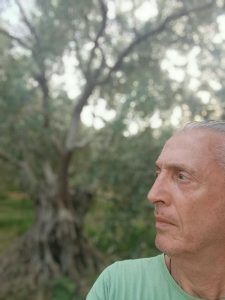
A JOURNEY BACK TO THE SACRED ROOTS
These sacred ancient trees were encountered during the journeys of Emmanuel Morpheus along the ancient and sacred paths of Laconia and Arcadia.
Paths that cross the landscapes of the Mycenaean civilization, the homeland of Sparta, and the cradle of the ancient world of Arcadia.
It was there, among ancient olive trees, walnut trees, almond trees and plane trees, that Emmanuel Morpheus discovered these extraordinary living sculptures.
And perhaps this journey was not only a journey through ancient Greece.
It was a journey back to his own roots.
To the mountainous village of Issaris in Arcadia, the land of his ancestry.
Among the trees, the mountains and the ancient paths of his forefathers, he found something more than history.
He found a living connection between who we are today and those who came before us.